Tag: SAAS
-

7 Schema Smells in AI-Generated Apps (and Which Ones Actually Mean “Rebuild”)
The check that decides harden-or-rebuild, written out. Seven data-model smells we find in vibe-coded apps — JSON blobs, missing owners, bolted-on multi-tenancy, string roles, float money, boolean status, no history — what each costs later, and the only one that justifies re-spining.
-

Pricing a Subscription App for Global Markets: Purchasing Power Parity and What RevenueCat Handles
Flat global pricing leaves money on the table in strong-currency markets and prices you out of weaker ones. What the stores handle automatically, what purchasing power parity actually means in practice, and where the decision is still yours.
-

Stripe in a Vibe-Coded App: Webhooks, Idempotency and the Test-Mode Trap
The first test payment works, which hides that the parts keeping money and access in sync were never built. Five things to check on every AI-built Stripe integration — redirect vs webhook, signature verification, idempotency, mixed test/live keys, entitlements — and the one test that finds most of them.
-
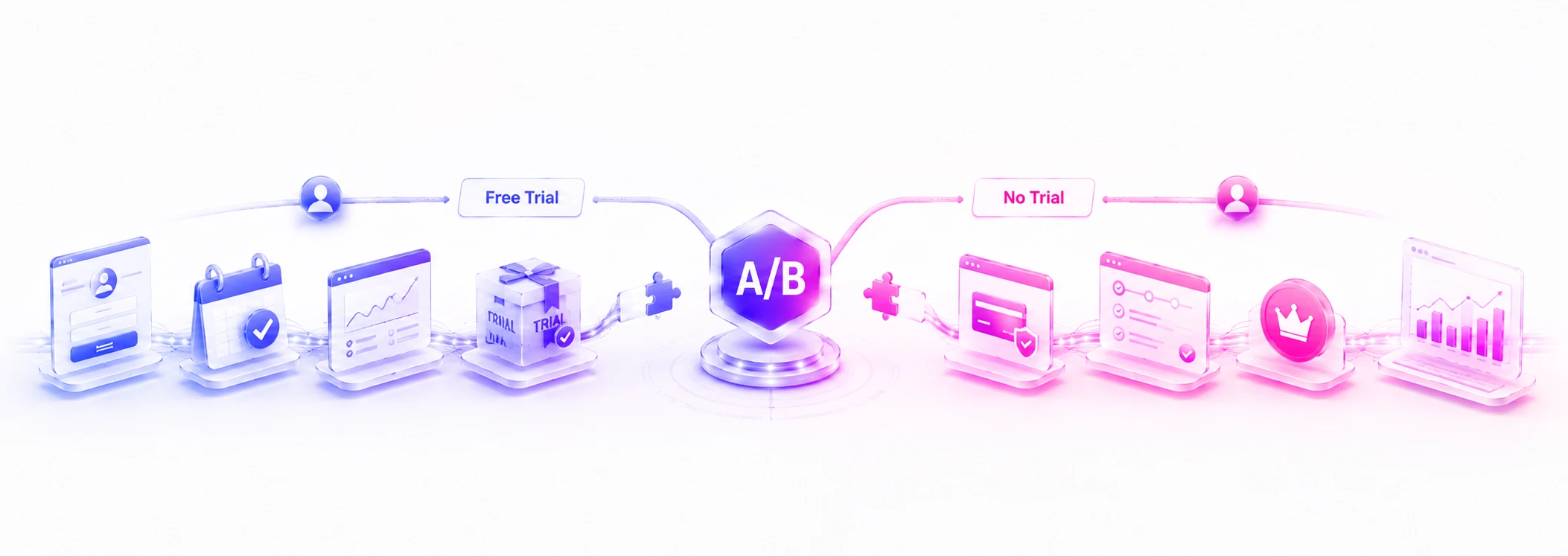
Free Trial vs. No Trial: Structuring Subscription Onboarding When You Can Only Test One Variable at a Time
Trial length, trial-vs-no-trial, and paid trials are three separate decisions that get conflated into one. What each actually changes, and how to test them without confounding your own results.
-

Is Vibe Coding Safe for a Startup? The 12 Questions Investors and Enterprise Customers Will Ask
Nobody serious penalises you for building with AI. They penalise not knowing what you have. The twelve technical-diligence and security-questionnaire questions a vibe-coded startup will face — code ownership, tests, tenant isolation, secrets, backups, monitoring, data model, AI review — with what a good answer sounds like and how to prepare in a week.
-
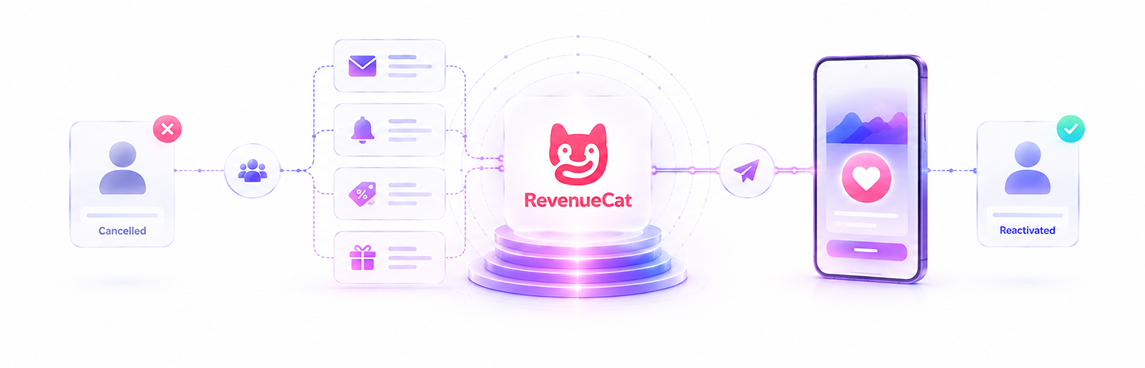
Win-Back Campaigns for Cancelled Subscribers: What to Automate with RevenueCat
Most subscription teams spend heavily on acquisition and almost nothing on winning back the subscribers who already tried the product and left. The signals worth automating on, and the store rules that constrain what a win-back offer can actually do.
-

Family and Group Plans in RevenueCat: Sharing One Subscription Across Multiple Users
A family or team subscription is a different entitlement problem than a single-user one — one purchaser, multiple beneficiaries, and access that has to survive someone leaving the plan. How we model shared access on top of RevenueCat’s single-user entitlement primitive.
-
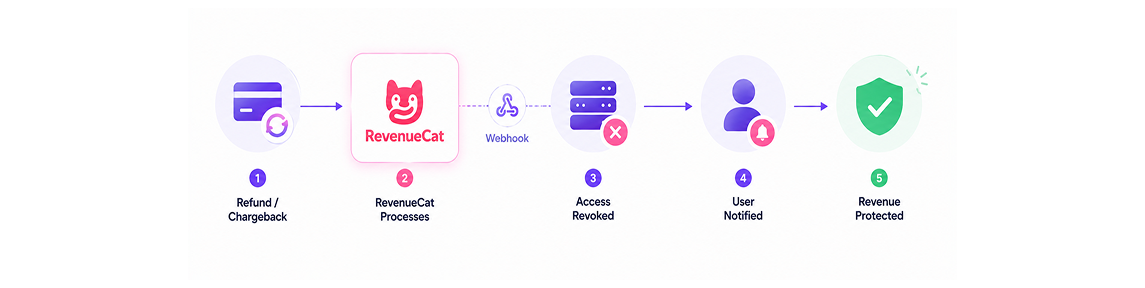
Refunds, Chargebacks, and Entitlement Revocation: What Happens When the Money Comes Back
A refund and a chargeback both end with revoked access, but they arrive differently, on different timelines, and with different fraud implications. What to actually build so a subscriber’s access changes the moment the store says it should.
-

RevenueCat Analytics: Tracking Trial Conversion, Churn, and LTV Without Building Your Own Pipeline
The subscription metrics that actually predict whether a business works — trial conversion, churn, LTV — usually require stitching together store data, backend events, and a BI tool. What RevenueCat’s built-in analytics cover, and where we still wire up a proper pipeline.
-

Two Apps, One Spine: Building the Health App That Connects Clinic, Hospital, Doctor and Patient
Most clinics don’t need another patient app. They need two apps sharing one spine — patient on one side, clinician on the other, one source of truth in the middle. Here’s what that architecture looks like, what DTAC and UK GDPR actually demand, what it costs, and the five ways these builds quietly fail.