Tag: Full Stack Development
-
My Vibe-Coded App Is Broken and I Can’t Fix It: What to Do Next (and When to Hire Help)
Your AI-built app worked yesterday and now it doesn’t, and every new prompt makes it worse. The triage sequence that stops the bleeding, the three fixes you can still do yourself, and the point where hiring an engineer becomes cheaper than another day of prompting.
-
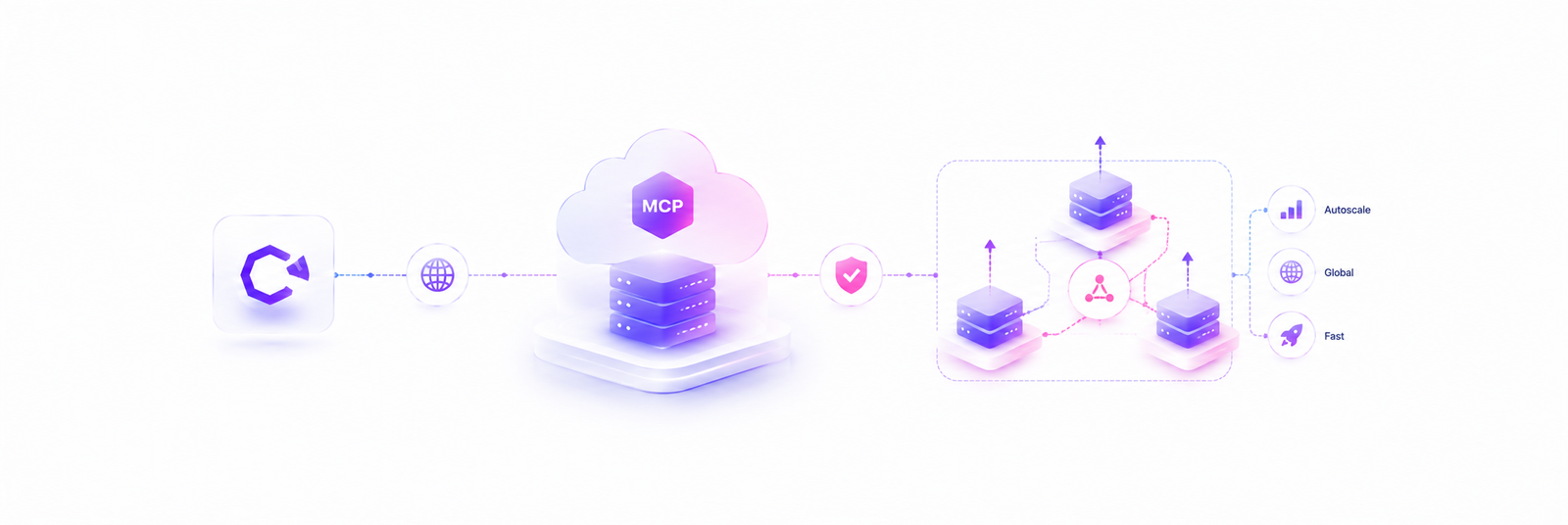
Remote MCP Servers: Deploying, Hosting, and Scaling Them After the Stateless Shift
Local MCP servers were fine when one developer used them. The moment a team — or your customers — need access, you’re deploying a remote server. Hosting options, auth requirements, and why the stateless spec just made this dramatically cheaper.
-
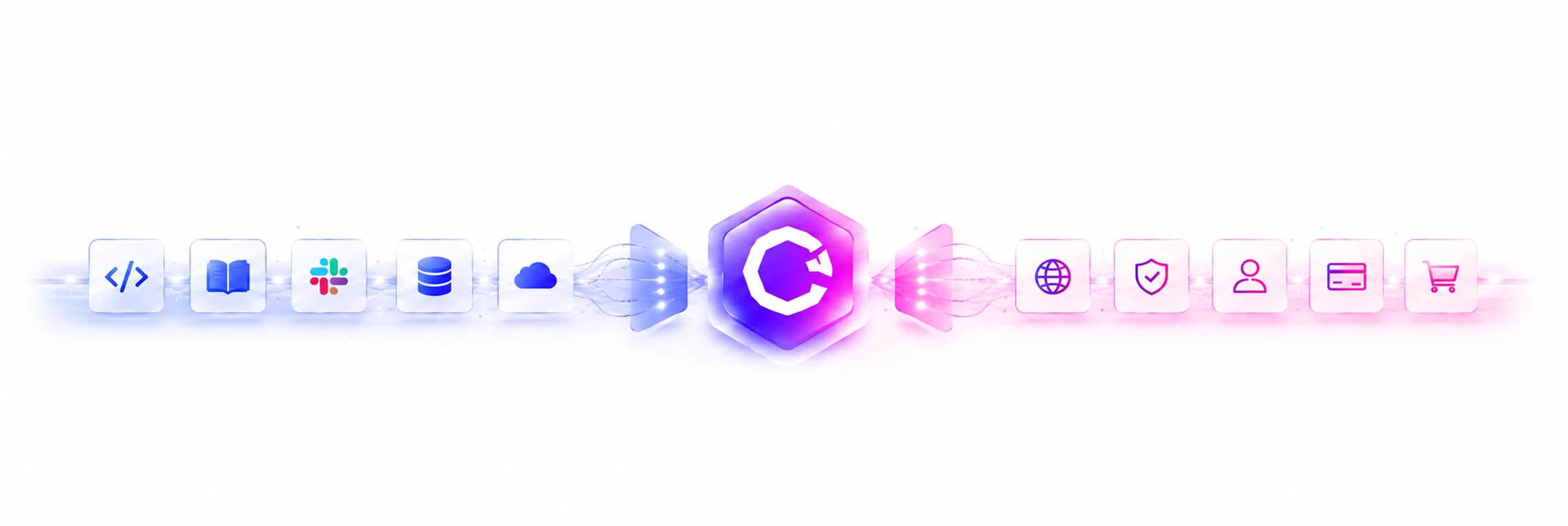
MCP vs API: What’s Actually Different, and Why You’ll End Up With Both
MCP doesn’t replace your APIs — it sits on top of them and solves a different problem: letting an AI model discover and use your systems without custom integration code. The real differences, the false dichotomy, and a decision rule for when each applies.
-

Securing MCP in Production: OAuth, Agent Identity, and What a 2026 Security Review Actually Covers
MCP auth has hardened fast — resource indicators, issuer validation, CIMD instead of dynamic registration. But the gaps that hurt companies in production are mostly not in the protocol. What a real MCP security review covers in 2026, layer by layer.
-

How to Build an MCP Server in 2026: From First Tool to Production
Most MCP server tutorials stop at “hello world” — and most were written before the protocol went stateless. The build sequence we use for client work: scoping the tools, choosing the SDK, auth, testing against a real client, and shipping something production actually accepts.
-

MCP Goes Stateless: What the July 2026 Spec Overhaul Means for Your AI Integrations
The 2026-07-28 MCP specification is the biggest rewrite since the protocol launched — stateless by default, cheaper to scale, and with a 12-month clock on several things your integration may depend on. What changed, and what to actually do about it.
-
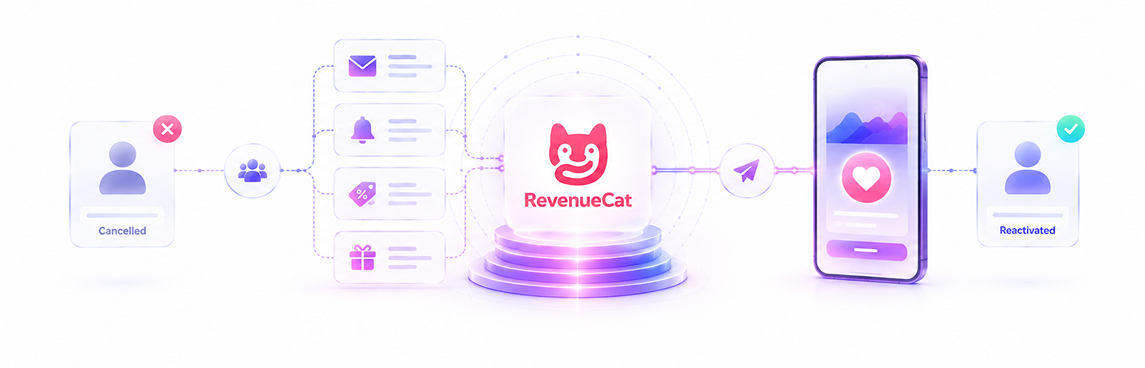
Win-Back Campaigns for Cancelled Subscribers: What to Automate with RevenueCat
Most subscription teams spend heavily on acquisition and almost nothing on winning back the subscribers who already tried the product and left. The signals worth automating on, and the store rules that constrain what a win-back offer can actually do.
-
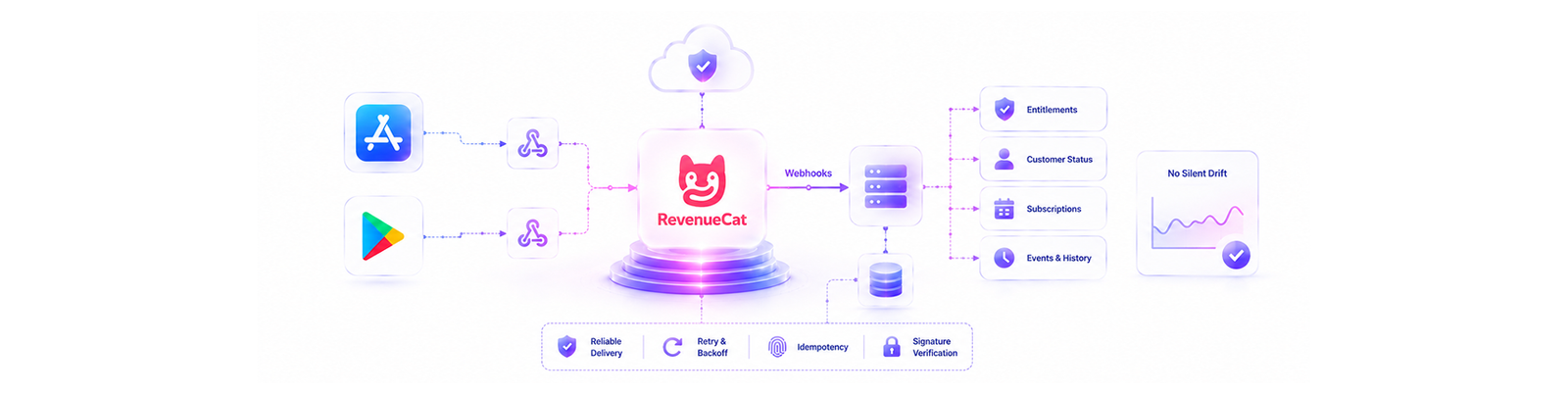
Webhook Architecture for RevenueCat: Building a Backend Sync That Doesn’t Silently Drift
Most RevenueCat webhook integrations work fine until an event arrives twice, arrives out of order, or your endpoint is down for ten minutes. The queue-based pattern that survives all three, and the failure modes it’s specifically designed around.
-
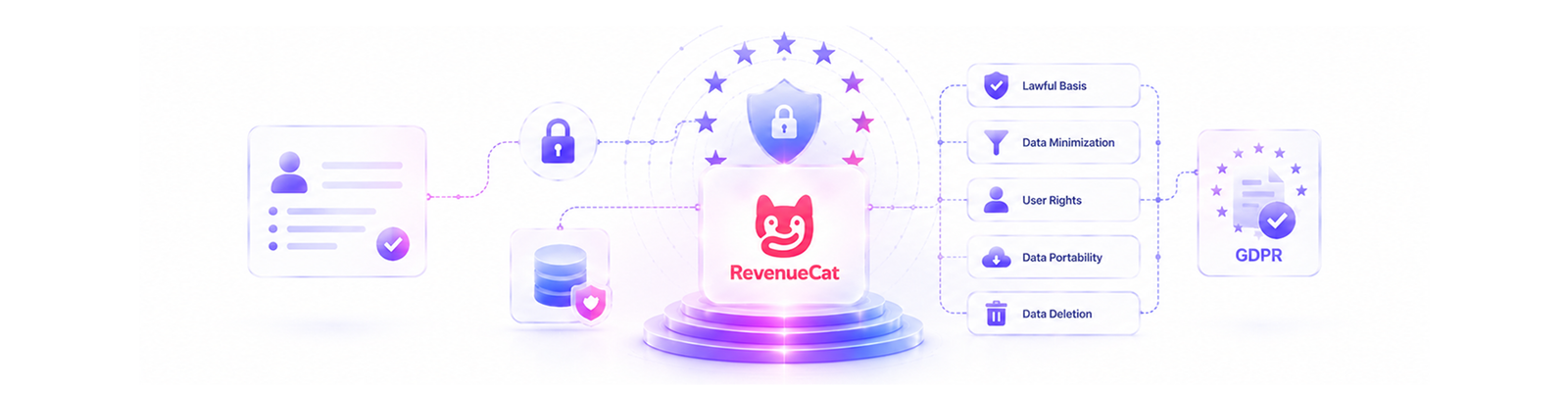
GDPR and Subscriber Data in RevenueCat: What a Compliance Review Actually Covers
Any subscription app with European users is handling personal data through a billing platform, whether or not the product itself is sensitive. What a GDPR review of a RevenueCat integration actually looks at — distinct from the health-specific compliance questions we cover elsewhere.
-

RevenueCat Analytics: Tracking Trial Conversion, Churn, and LTV Without Building Your Own Pipeline
The subscription metrics that actually predict whether a business works — trial conversion, churn, LTV — usually require stitching together store data, backend events, and a BI tool. What RevenueCat’s built-in analytics cover, and where we still wire up a proper pipeline.