Tag: AI Tools
-

From Lovable, Bolt or Replit to Production: How to Move a Vibe-Coded App Off the Prototype Platform
Your Lovable, Bolt.new, v0 or Replit app has real users and you’ve hit the platform’s ceiling. When to migrate, what to take with you, the six steps to a proper repo and deploy pipeline — and the parts that are worth having an engineer do.
-

Vibe Coding Security Checklist: 15 Things to Check Before Real Users Touch Your App (2026)
Is your vibe-coded app secure? Probably not yet. The 15-point vibe coding security checklist we run on AI-built apps — exposed API keys, missing Supabase RLS, broken authorisation, unlimited AI spend — with the one 5-minute test that finds the worst problem.
-
My Vibe-Coded App Is Broken and I Can’t Fix It: What to Do Next (and When to Hire Help)
Your AI-built app worked yesterday and now it doesn’t, and every new prompt makes it worse. The triage sequence that stops the bleeding, the three fixes you can still do yourself, and the point where hiring an engineer becomes cheaper than another day of prompting.
-

10 MCP Use Cases That Actually Ship: What Companies Connect AI to First
Past the demos, a clear pattern has emerged in what companies actually connect AI to first — and which MCP use cases quietly pay for themselves. Ten that ship, what each needs, and the one property nine of them share.
-
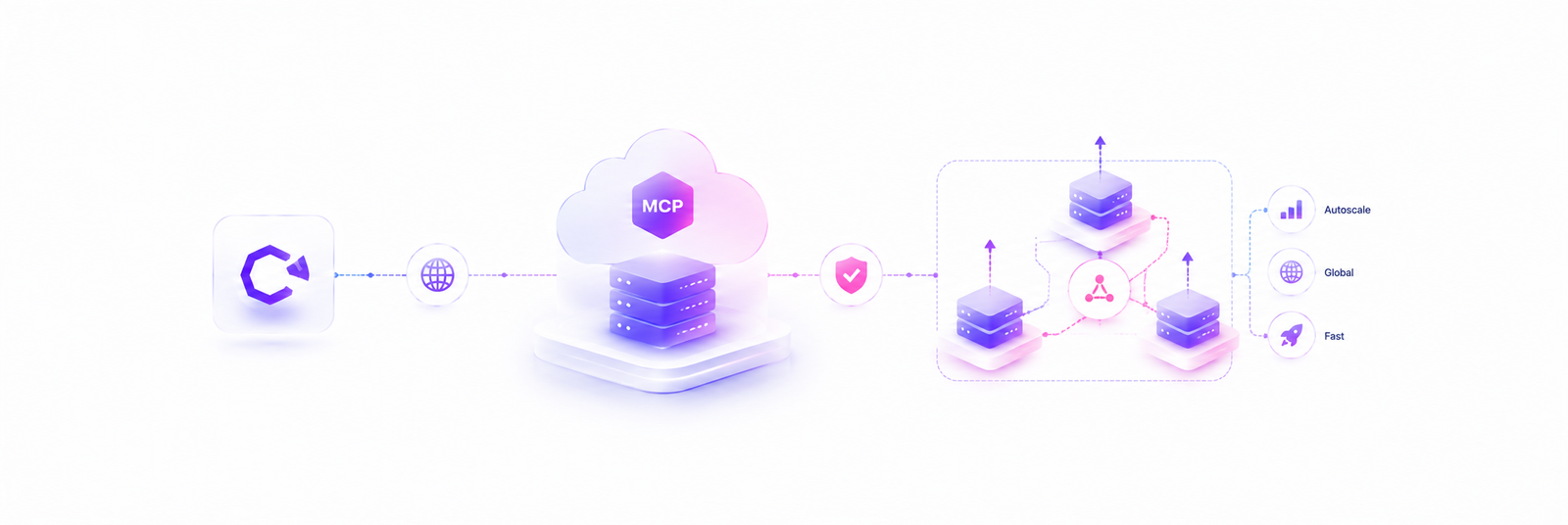
Remote MCP Servers: Deploying, Hosting, and Scaling Them After the Stateless Shift
Local MCP servers were fine when one developer used them. The moment a team — or your customers — need access, you’re deploying a remote server. Hosting options, auth requirements, and why the stateless spec just made this dramatically cheaper.
-

The MCP Servers We Actually Use with Claude Code (and the Ones We Turned Off)
Claude Code gets most of its leverage from what it can reach. The MCP servers that earn a place in our agency’s daily setup, how we configure them per project, and why we’ve removed more servers than we’ve added this year.
-
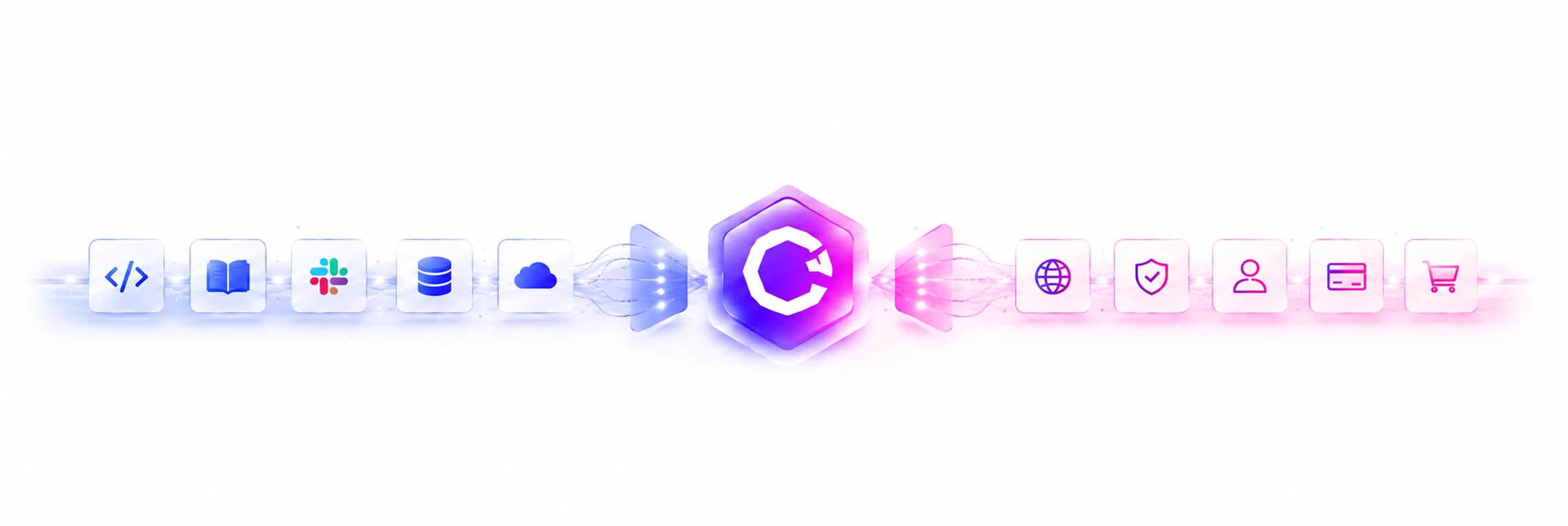
MCP vs API: What’s Actually Different, and Why You’ll End Up With Both
MCP doesn’t replace your APIs — it sits on top of them and solves a different problem: letting an AI model discover and use your systems without custom integration code. The real differences, the false dichotomy, and a decision rule for when each applies.
-

Securing MCP in Production: OAuth, Agent Identity, and What a 2026 Security Review Actually Covers
MCP auth has hardened fast — resource indicators, issuer validation, CIMD instead of dynamic registration. But the gaps that hurt companies in production are mostly not in the protocol. What a real MCP security review covers in 2026, layer by layer.
-

How to Build an MCP Server in 2026: From First Tool to Production
Most MCP server tutorials stop at “hello world” — and most were written before the protocol went stateless. The build sequence we use for client work: scoping the tools, choosing the SDK, auth, testing against a real client, and shipping something production actually accepts.
-
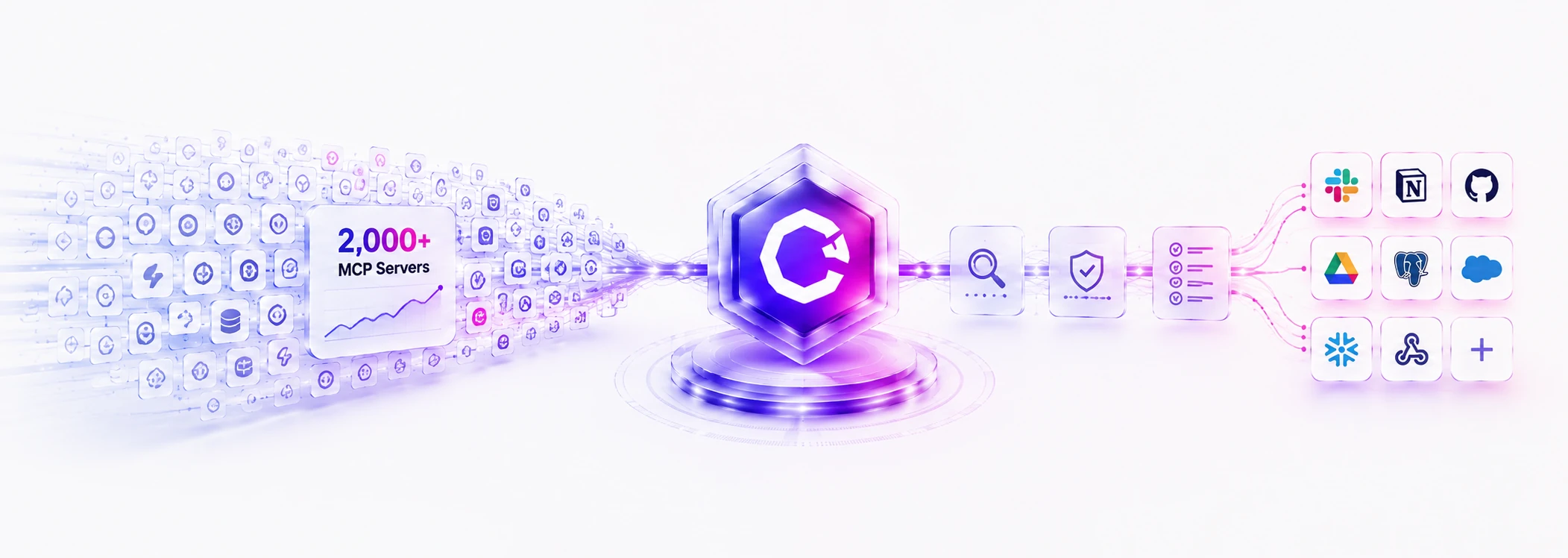
2,000 MCP Servers and Counting: How to Choose, Vet, and Connect Them Without Getting Burned
The MCP Registry now lists nearly 2,000 servers, the protocol lives under the Linux Foundation, and MCP Apps put interactive interfaces inside the chat. A practical guide to picking connectors you can trust — and knowing when to build your own instead.